What does a lung function test actually measure?
The main measurements
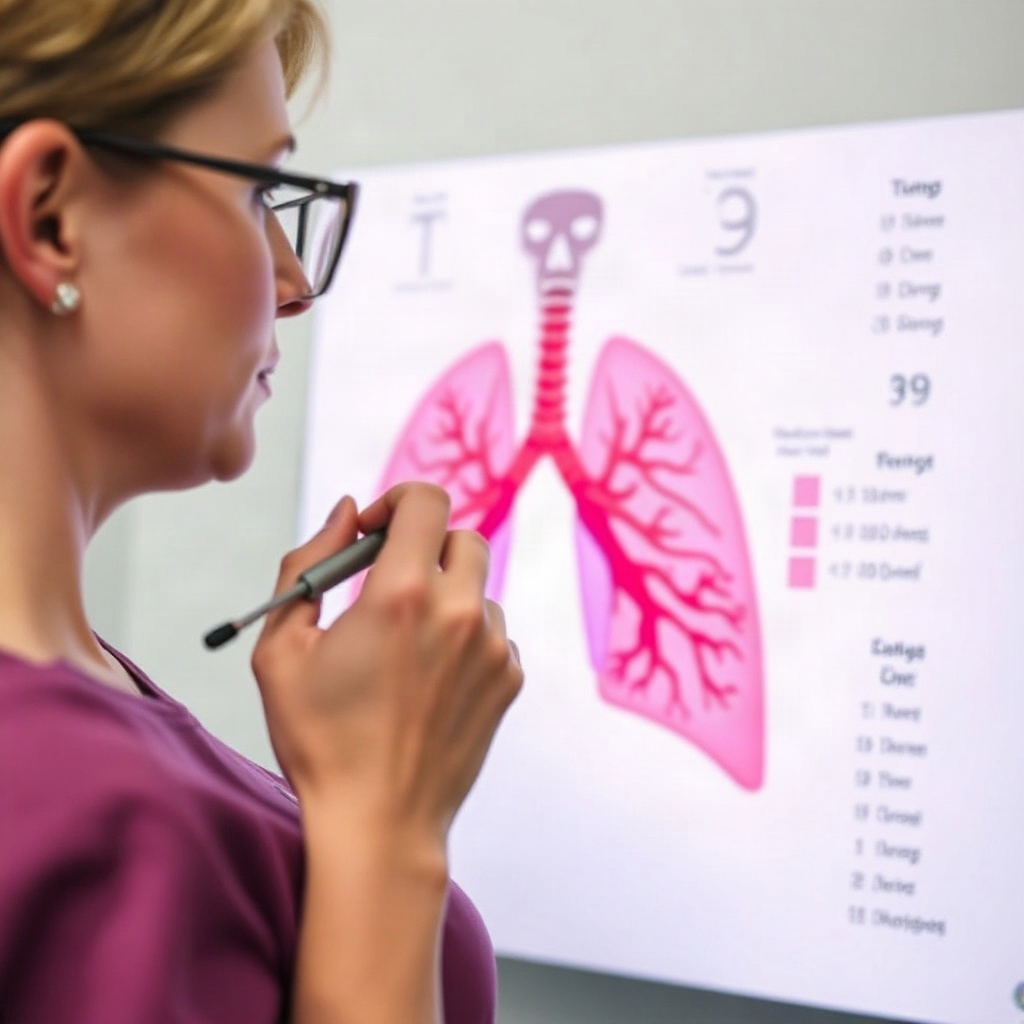
FEV1 (forced expiratory volume in 1 second) measures how much air you exhale forcefully in one second. FVC (forced vital capacity) measures total air you can exhale after a deep breath. DLCO (diffusing capacity) measures how efficiently your lungs transfer oxygen from air into blood. For pulmonary fibrosis, DLCO often declines before FEV1 or FVC changes.
How results are presented
Results are given as a percentage of predicted normal for your age, height, and sex. A result of 80% or above is generally considered normal. Results below 80% suggest impairment. Your doctor looks at individual values and trends over time—a 10% decline in six months matters more than a single low number.
Why it matters for treatment
Lung function helps determine disease severity, guides treatment decisions, and measures whether medication is slowing decline. Don't assume one bad test means rapid disease progression; one test is a snapshot. Talk with your doctor about your trend, not just the current number.